From Innovation to Scale: Social Franchising as SAA’s Pathway for Agricultural Transformation
Why Scaling Matters
Sasakawa Africa Association (SAA) Ethiopia is increasingly demonstrating that sustainable agricultural transformation depends not only on developing effective innovations, but also on creating reliable pathways to scale them. One promising pathway is social franchising: an approach that enables proven, farmer-centered solutions to be replicated through capable local partners while maintaining quality, consistency, and accountability.
What Social Franchising Means
For non-profit and development organizations, social franchising adapts the principles of commercial franchising to achieve social impact rather than private profit. It involves packaging tested service models into standardized, replicable systems that can be delivered by selected local actors while maintaining quality, consistency, accountability, and mission alignment. In SAA’s context, this means enabling public extension offices, cooperatives, agro-dealers, youth- and women-led enterprises, and other local institutions to deliver SAA-tested agricultural services under a shared system of training, standards, technical backstopping, quality assurance, and performance monitoring.
From Pilots to Wider Impact
Over the years, SAA has designed, tested, and refined practical models in regenerative agriculture, nutrition-sensitive agriculture, market-oriented agriculture, digital extension, post-harvest management, and capacity building. These models have shown clear value at field level. The next challenge is moving from successful pilots to broader system-level impact. Direct implementation remains important for innovation and learning, but it is resource-intensive and difficult to scale widely. Social franchising offers a practical next step by converting proven approaches into structured service packages that can be adopted, delivered, and sustained by local institutions and enterprises.
Turning Models into Systems
Several SAA models are well suited for social franchising, including the Farmer Learning Platform, nutrition-sensitive services, post-harvest management packages, market-oriented agriculture interventions, community-based seed multiplication, mechanization services, and agro-dealer networks. To scale effectively, these models need clear systems: standard operating procedures, training materials, facilitation guides, partner selection criteria, certification processes, branding, quality control, and monitoring tools. In many respects, SAA is already applying these elements in practice. The opportunity now is to consolidate them into a more deliberate and structured scaling framework.
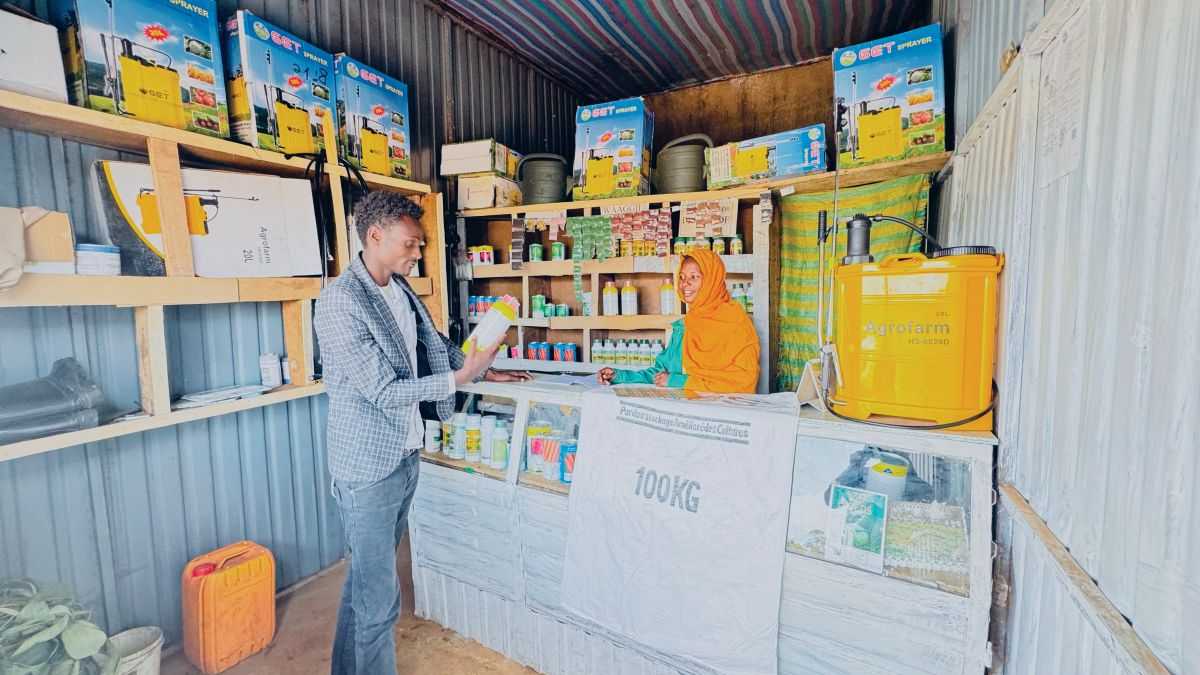
Supply of appropriate inputs with extension services through agribusiness in Ana Sora District.
Evidence from the Field
SAA Ethiopia’s experience shows that social franchising is already taking shape on the ground. Over the past five years, under the Nippon Foundation-supported program, SAA has supported the establishment and strengthening of 38 agribusiness enterprises with 735 members, including 186 women. These enterprises include agro-dealers, crop-threshing service providers, community-based seed multipliers, and agro-processing enterprises. With support in technical skills, entrepreneurship, business management, safety, equipment use, repair and maintenance, start-up capital, quality control, and market linkages, these local enterprises are now delivering services to farming communities in line with SAA’s standards.
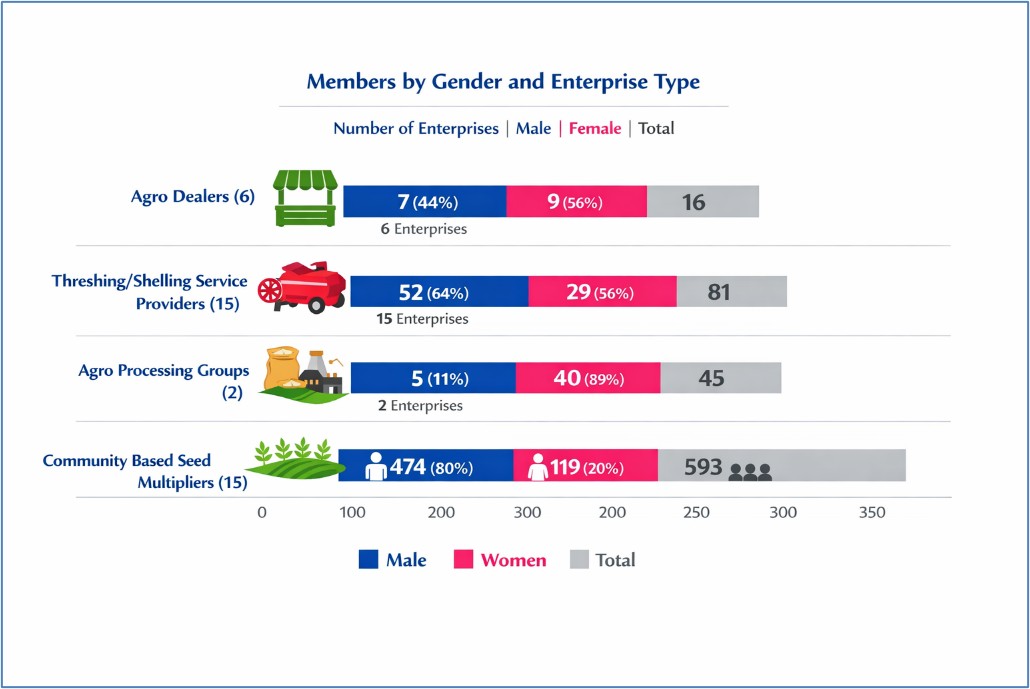
SAA Ethiopia Agribusiness Social Franchising Portfolio, 2021–2025
Agro-Dealers as Last-Mile Hubs
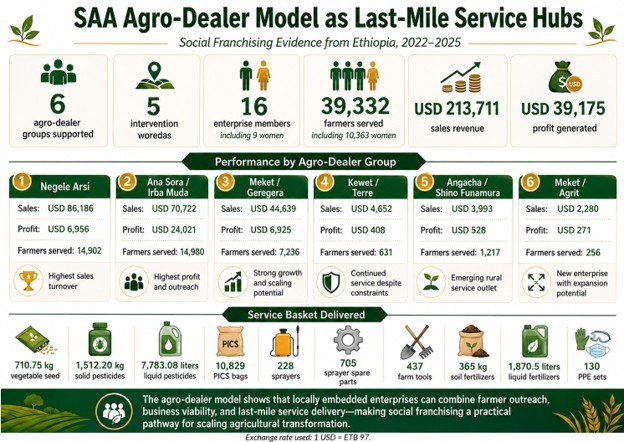
A strong example is the last-mile agro-dealership model. Between 2022 and 2025, SAA supported six agro-dealer groups across five intervention woredas. These groups created direct agribusiness livelihood opportunities for 16 members, including 9 women, while serving 39,332 farmers, of whom 10,363 were women. Over the four years, the agro-dealers generated approximately USD 213,700 in total sales revenue and USD 39,200 in profit. This demonstrates that locally embedded service providers can deliver both social impact and commercial viability.
More Than Input Shops
The agro-dealers supplied a wide basket of agricultural inputs and technologies, including 710.75 kg of vegetable seed, 1,512.20 kg of solid pesticides, 7,783.08 liters of liquid pesticides, 10,829 PICS bags, 228 sprayers, 705 sprayer spare parts, 437 farm tools, 365 kg of soil fertilizers, 1,870.5 liters of liquid fertilizers, and 130 sets of personal protective equipment. These figures show that agro-dealers are not simply input sellers. They are becoming rural service hubs that connect farmers to quality inputs, post-harvest technologies, crop protection solutions, and practical advisory support.
Benefits Beyond Business
The benefits are visible at multiple levels. For agro-dealer members, the model creates income-generating enterprises, strengthens business skills, improves market linkages, and opens pathways for women and youth to participate as agricultural service providers. For farmers, it improves timely access to inputs, reduces travel distance, expands access to post-harvest technologies such as PICS bags, and strengthens links to advisory services. For the wider agricultural system, it helps build a more dynamic rural service economy that is less dependent on externally driven project structures.
An Emerging Scaling Platform
This experience shows that social franchising is not a new concept being introduced from outside; it is an emerging practice already embedded in SAA’s agribusiness development work. What is needed now is to frame it more explicitly, strengthen its systems, and prepare it for wider scaling. With clear standards, certification, supplier agreements, branding, quality assurance, access to finance, and performance monitoring, models such as agro-dealers, mechanization service providers, seed multipliers, and agro-processing enterprises can become scalable social franchise platforms.
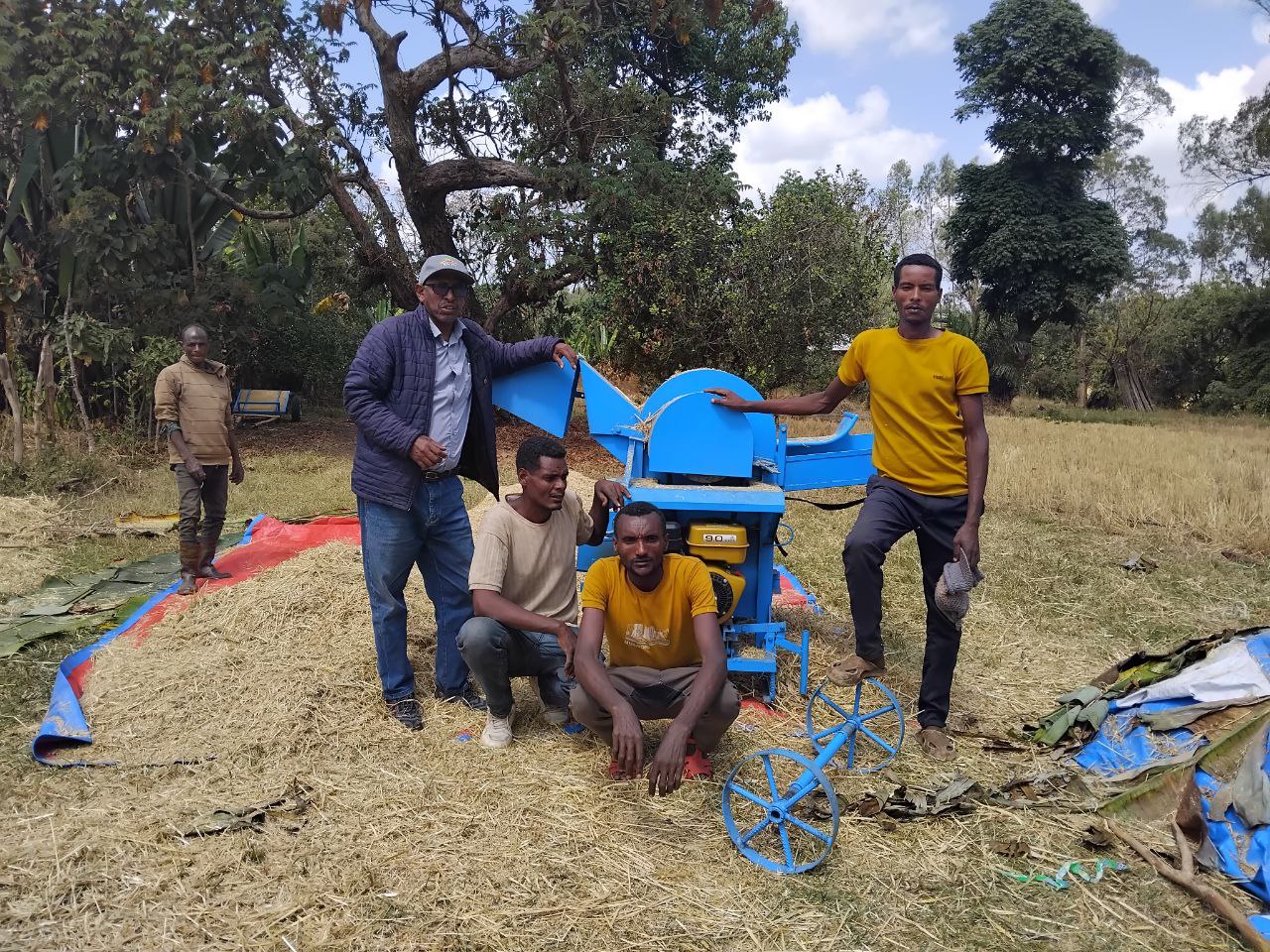
Training in agro-processing enterprise
Complementing SAA’s Core Approach
Social franchising is not intended to replace SAA’s existing implementation approaches. Rather, it complements them. Direct implementation remains important for testing innovations and addressing complex field challenges. Partnerships remain essential for coordination and joint delivery. Social franchising becomes most effective when proven models are ready for replication through capable local actors. In this sense, social franchising is not a departure from SAA’s approach. It is a strategic extension of it.
Looking Ahead
As SAA moves into its next strategic phase, social franchising offers a timely and practical pathway for scaling impact. It allows SAA to maintain its core strengths—farmer-centered design, technical credibility, practical innovation, and field-based learning—while extending its reach through local institutions and enterprises. If implemented thoughtfully and governed effectively, social franchising can become a powerful vehicle for scaling agricultural services, strengthening local systems, promoting inclusion, creating rural jobs, and driving long-term agricultural transformation in Ethiopia and beyond.
Dr. Fentahun Mengistu
Country Director, SAA Ethiopia
The raw data was generously provided by the M‑OA team, with special thanks to Ms. Yalemzewed Teshome
SAA Publications
E-newsletter
"Walking with the Farmer"
SAA publishes a bimonthly e-newsletter reporting on SAA activities.
SAA Mail News
Sign up to receive our e-newsletter and upcoming event information via email.

SAA history book
"Walking with the Farmer: The journey of the Sasakawa Africa Assoication since 1986"
This book chronicles the history of SAA from its inception to the present.
Annual Report
Annual Report FY2024
Annual Report FY2024 is available here.


