【Activity】Kyendagara Cooperative: A Model for Inclusive Growth Through Value Addition and Market Systems Transformation
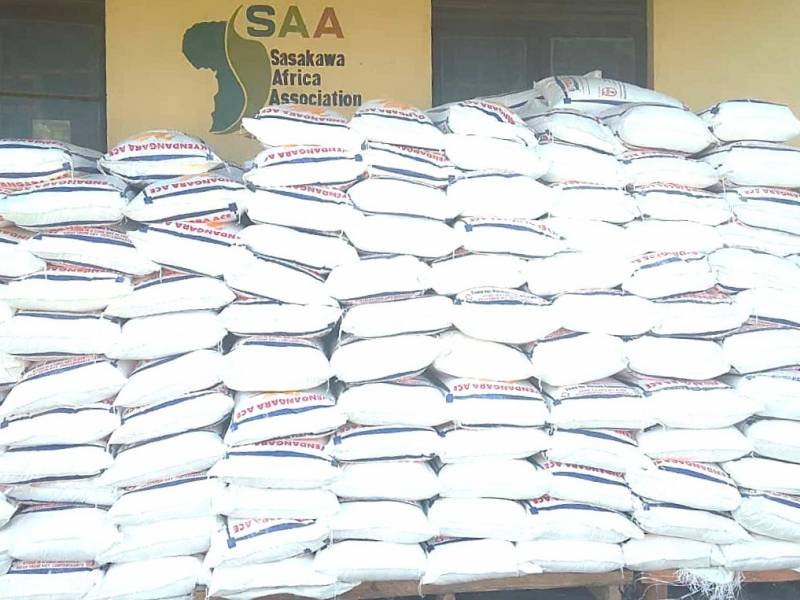
In the undulating hills of Kitagwenda District, the Kyendagara Area Cooperative Enterprise (KACE) stands as a powerful testament to the potential of community-led agricultural transformation. Established in 2006 with support from The Nippon Foundation, KACE began as a modest farmers’ group focused on rice seed production and basic maize milling for local consumption. For nearly two decades, its operations remained limited in scope until 2024 marked a major turning point.
With catalytic support from the Ministry of Foreign Affairs of Japan (MOFA) through a Sasakawa Africa Association (SAA)-implemented project, KACE transitioned from a subsistence-based cooperative to a commercially viable enterprise. By bundling essential services capacity building, financial access, input supply, post-harvest processing, and market linkage under the One Stop Centre Association (OSCA) model, SAA created an enabling ecosystem where farmers could thrive.
Training sessions delivered by SAA covered core competencies in Agriculture as a Business, Safe Use of Chemicals, Good Economic Practices, Post-Harvest Handling, and savings and investment. These interventions shifted farmer mindsets and practices ushering in a new era of commercial agriculture driven by value addition.
One of the most transformative breakthroughs came through agro-processing and certification. Previously, KACE only milled grain for household use and local sales. But with SAA’s technical guidance and support from the Uganda National Bureau of Standards (UNBS) and district officials, KACE secured the Q-Mark certification. This milestone enabled the cooperative to produce branded, certified maize flour and access formal markets, including schools, supermarkets, and wholesalers across Kitagwenda, Rubirizi, and Ibanda. New opportunities also emerged for regional trade, particularly with DR Congo and Burundi.
In 2024 alone, the cooperative processed over 384 tonnes of maize up from previous years with a significant share sold as high-quality flour at USD 0.44 per kilogram, generating USD 168,563 in revenue. KACE also landed a supply contract worth USD 16,461 with Persher Agro Ltd, with expectations to double this in 2025. These gains not only improved the cooperative’s income but also secured reliable markets for member farmers.
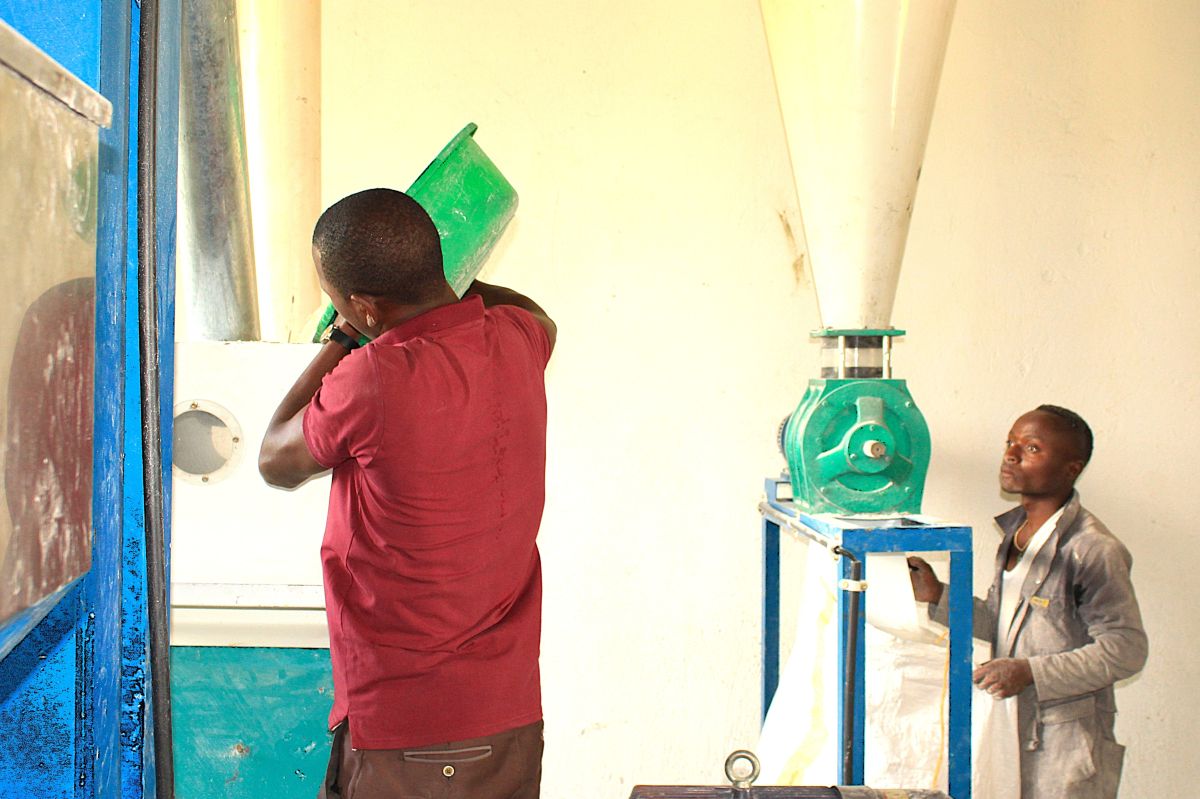
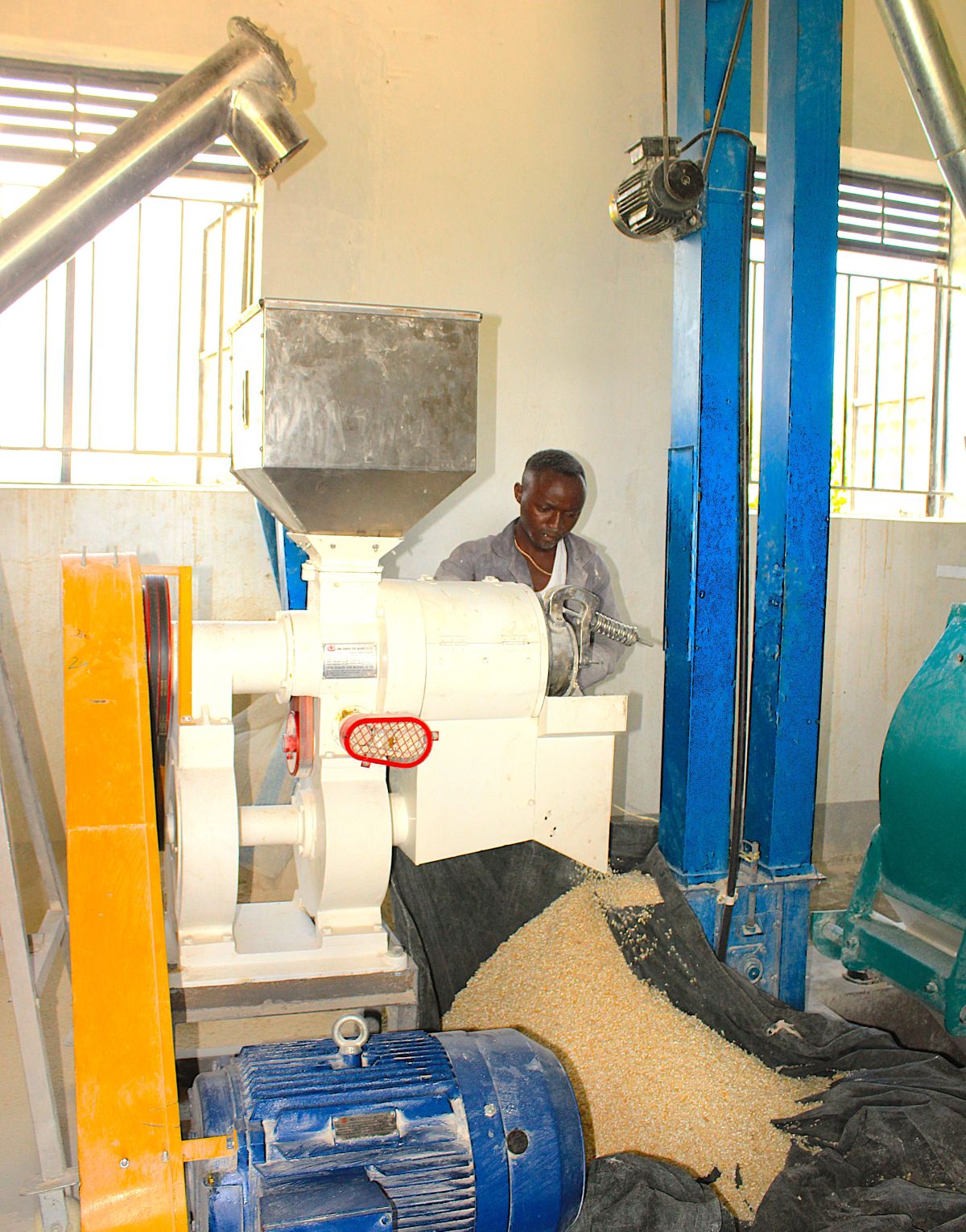 Ongoing maize milling at Kyendagara Cooperative, driving value addition and market access for smallholder farmers.
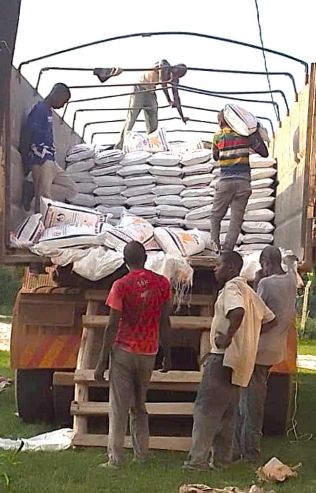
Collective grain bulking efforts further strengthened KACE’s commercial viability. From just 87 tonnes in 2023 (yielding USD 32,373), the cooperative nearly tripled its volume in 2024 to 225 tonnes, earning USD 95,749 highlighting the economic power of aggregation and organized marketing.
SAA also facilitated access to finance through linkages with UGAFODE Microfinance, unlocking over UGX 3 billion in loans. This enabled farmers to invest in production expansion, drawing more producers into the cooperative. Membership surged from 1,200 in 2023 to 2,750 in 2024 reflecting growing trust and shared prosperity.
Employment and inclusion are central to KACE’s growth. The cooperative now employs 25 youth in processing roles and engages women as commission-based village agents who purchase maize from smallholders and supply it to the cooperative. This model has economically empowered women while strengthening the supply chain.
However, challenges remain. Erratic electricity disrupts milling operations, causing occasional delivery delays, and high transport costs impact product distribution. In response, KACE is exploring alternative energy sources such as solar and generators to ensure continuous processing.
As it looks to the future, KACE is calling on more farmers to join its growing network and benefit from integrated services, including access to inputs, post-harvest facilities, and guaranteed markets. With sustained support from SAA and partners, Kyendagara Area Cooperative is poised to become a national model of inclusive, market-led agricultural development anchored in resilience, innovation, and community empowerment.
 |
 |
Related article: SAA-Uganda Featured in the 2025 Global Agricultural Productivity Report
SAA Publications
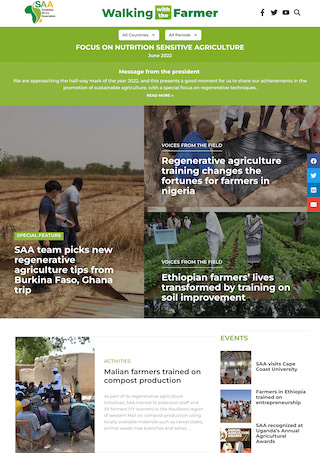
E-newsletter
"Walking with the Farmer"
SAA publishes a bimonthly e-newsletter reporting on SAA activities.
SAA Mail News
Sign up to receive our e-newsletter and upcoming event information via email.

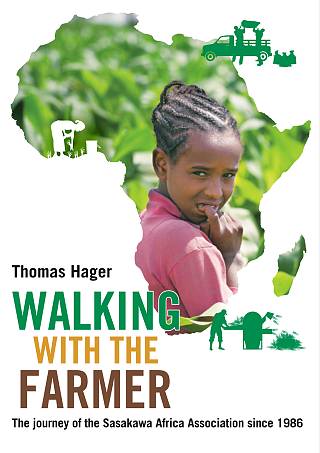
SAA history book
"Walking with the Farmer: The journey of the Sasakawa Africa Assoication since 1986"
This book chronicles the history of SAA from its inception to the present.
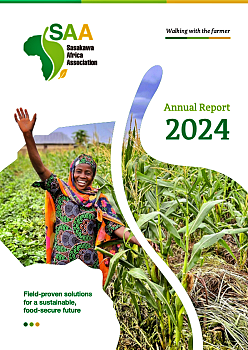
Annual Report
Annual Report FY2024
Annual Report FY2024 is available here.


